
10 years of GMbC: a Kiel-based initiative to preserve global microbiome diversity
Microbiome researchers Mathilde Poyet and Mathieu Groussin from Kiel University have been advancing the Global Microbiome Conservancy project for a decade, which aims to collect, study and conserve the global biodiversity of the gut microbiome.
The microbial colonization of the body, particularly the gut, is of central importance to human health. The totality of the microorganisms it contains – known as the microbiome – plays a central role in numerous biological processes; if it is misbalanced, various diseases, such as chronic inflammation, can develop. Yet, the microbiome is highly variable and differs, for example, between individuals, depending on the geographical origin or lifestyle of a population group. However, the global diversity of microorganisms that can be found in microbiomes is steadily declining in industrialized regions, likely due to recent changes in diet, lifestyle and use of antibiotics – and this depletion of the gut microbiome may have a negative impact on human health.
Global initiative to preserve microbial biodiversity
At Kiel University’s Faculty of Medicine and the University Hospital Schleswig-Holstein (UKSH), Kiel Campus, today are home to an initiative dedicated to preserving this diversity of microorganisms: Ten years ago, Professor Mathilde Poyet and Professor Mathieu Groussin from Kiel University and UKSH founded the Global Microbiome Conservancy (GMbC), whilst at the Massachusetts Institute of Technology (MIT) as postdoctoral researchers.
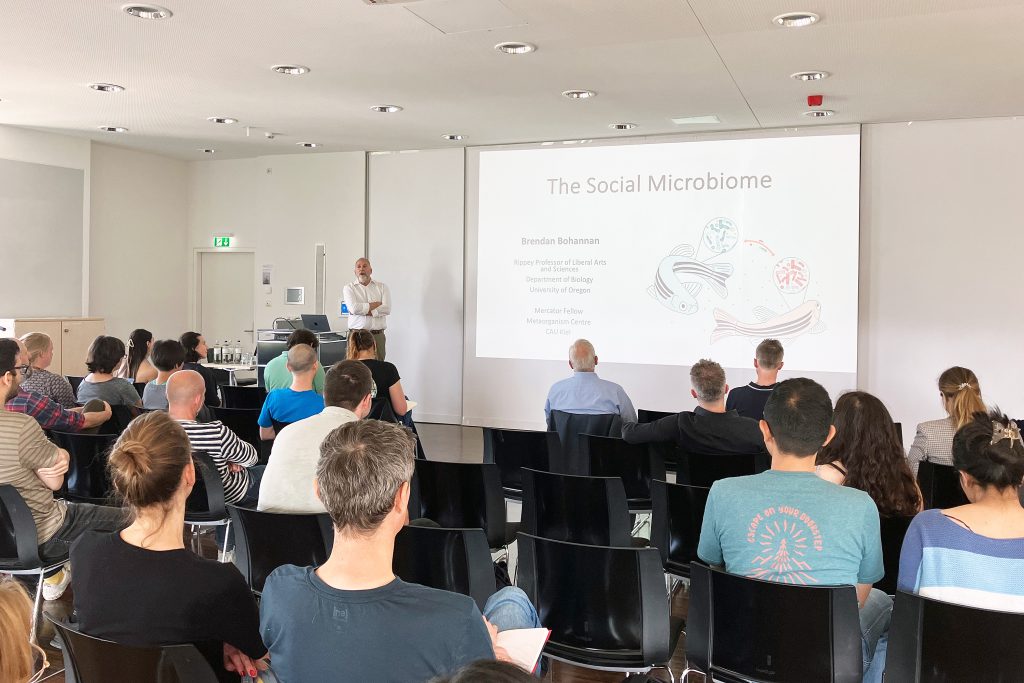
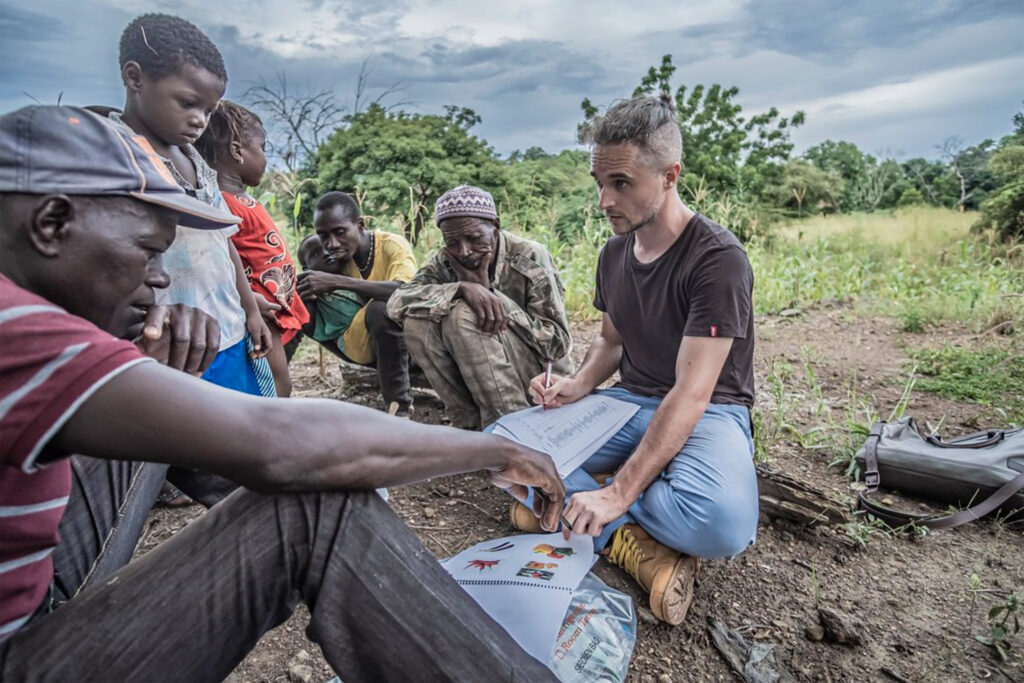
Since then, the GMbC has been steadily growing and operating as a global initiative, working in various low- and middle-income countries to collect microbiome samples from under-represented and non-industrialized population groups. In collaboration with partner institutions in around 40 countries, GMbC members are thus making a significant contribution to the conservation of the full diversity of the human gut microbiome. Recently, GMbC members, together with numerous international colleagues, celebrated the project’s tenth anniversary with a scientific symposium on the origins and future development of this successful project. The two day event brought together hundreds of attendees from nearly 60 countries around the world.
Since 2022, Poyet and Groussin are working at the Institute of Experimental Medicine (IEM) and the Institute of Clinical Molecular Biology (IKMB) at the Faculty of Medicine of Kiel University and UKSH, together with their research groups. In recognition of her pioneering research into the microbiome, the renowned US magazine TIME has included her in the TIME100 Next list in the ‘Innovators’ category. The TIME100 Next list honours 100 emerging leaders and talents from around the world. Over the past ten years, Poyet and Groussin have cooperated with local researchers and communities to collect microbiome samples from more than 2,000 people across more than 70 communities in the Americas, Africa, Asia and Europe. From these, Poyet and Groussin have cultured and sequenced over 10,000 bacterial strains from more than 450 species groups – including some that were long thought to be impossible to culture in the laboratory. The collection is openly available to researchers worldwide and intended to support the collaborative advancement of microbiome science.
Collection, research and conservation of microbiomes
In addition to collecting microbiome samples from around the world, the GMbC core tasks primarily involve the preservation of the isolates obtained from these samples, which comprise various bacterial species, some of which were previously unknown. The extensive GMbC biobank in Kiel, which contains both isolates and complete microbiome samples, serves as the basis for comprehensive research into the links between microbiome composition and health.
Poyet and Groussin are also speakers of the Kiel Metaorganism Centre (KMC) as part of the priority research area Kiel Life Science (KLS) of Kiel University, which aims at develop cooperations with the most prominent European research institutions focusing on microbiome science. They are also part of the Collaborative Research Centre (CRC) 1182 „Origin and Function of Metaorganisms“ and the Cluster of Excellence „Precision Medicine in Chronic Inflammation“ (PMI) in Kiel. A key focus of their work within the GMbC project is the relationship between geographical origin, lifestyle and microbiome composition. Within the PMI Cluster of Excellence, Poyet and Groussin contribute their expertise to inflammation research: together with colleagues, they are investigating which functions of the microbiome promote or counteract chronic inflammation.
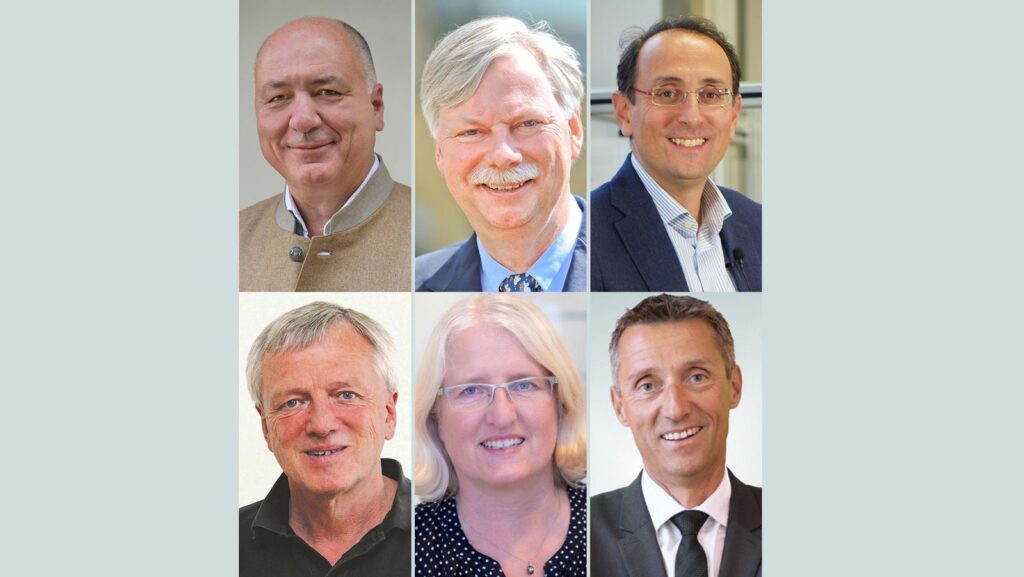
Furthermore, the GMbC aims to share the findings and potential benefits with the countries of origin in accordance with ethical standards as set out in the Nagoya Protocol. In addition, various capacity-building measures in the countries participating in the project form a central pillar of the project. “On behalf of the Life Sciences community in Kiel, I would like to congratulate Mathilde Poyet and Mathieu Groussin on the 10th anniversary of the GMbC initiative: Both play a crucial role in representing Kiel. University’s metaorganism research on the international stage and in fostering close collaboration with our colleagues around the world – thereby making a decisive contribution to the conservation of microbial diversity,” emphasizes KLS spokesperson Professor Thomas Bosch.
“With the GMbC, Poyet and Groussin have established a research platform that is unique worldwide, designed to map the global diversity of the human microbiome and to better understand its significance for health and disease. This impressively demonstrates the calibre of research being carried out in Kiel and paves the way for new approaches to the prevention and treatment of diseases,” said Prof. Joachim Thiery, Dean of the Faculty of Medicine at Kiel University and Director of Research and Teaching at the UKSH, Kiel Campus.
Contact:
Prof. Mathilde Poyet
Intestinal Microbiology (Head)
Institute for Experimental Medicine,
Medical Faculty, Kiel University/UKSH
Phone: +49 431-500 -15140
Email: m.poyet@iem.uni-kiel.de / Website: mmmicrobiomelab.org
Prof. Mathieu Groussin
Genomics and Functions of Host Microbiome Systems (Head)
Institute for Clinical Molecular Biology,
Medical Faculty, Kiel University/UKSH
Phone: +49 431-500 -15198
Email: m.groussin@ikmb.uni-kiel.de / Website: mmmicrobiomelab.org
More information:
Global Microbiome Conservancy (GMbC):
microbiomeconservancy.org
Priority research are Kiel Life Science (KLS), Kiel University:
www.kls.uni-kiel.de
Cluster of Excellence „Precision Medicine in Chronic Inflammation“ (PMI):
www.precisionmedicine.de