
Microbiome research: A guide to navigating the complex world of the Nagoya Protocol
An international team of authors, including researchers from Kiel University, has developed guidelines for policy-makers and researchers to help them comply with the legal and regulatory framework governing the use of microbial diversity
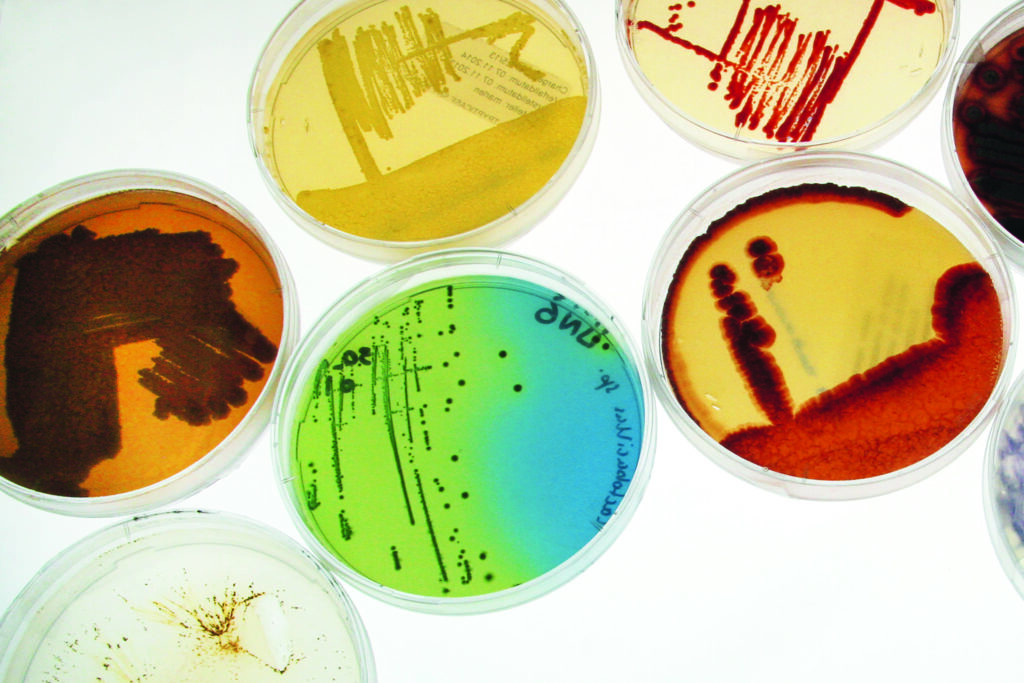
The diversity of microorganisms on Earth is unimaginably vast; it is estimated that there are around one trillion different microbial species. The majority of these have not yet been scientifically described, and only a tiny fraction can currently be cultivated in the laboratory. This global genetic resource, which remains largely untapped, holds enormous potential for advances in the fields of medicine, environmental sustainability, agriculture and industrial biotechnology. For the past few decades, microbiome research has been working to decipher the relationships between microbes and multicellular organisms, thereby gradually unlocking the potential of microbial diversity.
However, this diversity is unevenly distributed across the Earth; hotspots of microbial diversity are often geographically far removed from the places where they are studied and utilised. International intergovernmental agreements of the United Nations (UN), such as the Nagoya Protocol, therefore seek to establish a fair and legally secure framework for managing this microbial diversity and to ensure a balance of interests across borders. In doing so, it aligns with the UN’s 15th Sustainable Development Goal, which aims to promote the sharing of benefits arising from the use of genetic resources. This has given rise to a complex legal and regulatory environment concerning, among other things, the regulation of certain ecosystems, biosafety, the handling of pathogens and the protection of intellectual property – a landscape that is equally difficult for researchers and policy-makers to navigate. An international team of authors, including Professor Mathilde Poyet and Professor Mathieu Groussin from Kiel University, now offers concrete guidance for both groups: In a double publication recently published in the journal Sustainable Microbiology, they summarise specific guidelines on dealing with the Nagoya Protocol and the associated regulations in relation to microbiome research.
The Nagoya Protocol and its implementation
The Nagoya Protocol is a legally binding international agreement that was adopted in 2014. It regulates access to genetic resources and aims to ensure the fair and equitable sharing of benefits, known as Access and Benefit Sharing (ABS). Users, for example from the scientific or commercial sectors, are obliged to obtain consent from the countries of origin of the genetic material and to share any resulting scientific or commercial benefits with them. “In practice, however, many researchers in microbiology have only a vague idea of what the Nagoya Protocol requires – even though non-compliance can have significant legal consequences as well as far-reaching implications for scientific reputation,” says co-author Poyet, who leads the Global Microbiome Conservancy (GMbC) initiative in Kiel alongside Groussin.
Best practice: Microbiome research in Kiel sets an example
At Kiel University, microbiome research has been a key research focus for many years. A central component of the various initiatives in Kiel is the GMbC, which is dedicated to understanding and preserving the diversity of the human gut microbiome. At the heart of the project is a biobank whose samples of microbial genetic material originate primarily from under-represented and non-industrialised populations around the globe. In cooperation with researchers from around 30 countries, the GMbC members aim to expand the global reach of microbiome research by focusing on ethical collaboration and fair data sharing.
The GMbC initiative is therefore directly confronted with the issues raised by the Nagoya Protocol and has consequently developed many years of practical expertise. “Our sampling is carried out in accordance with standardised protocols, with informed consent and in compliance with strict ethical guidelines, and fully meets the requirements of the Nagoya Protocol. Our work serves the long-term conservation of biological diversity and aims to establish ethical standards in microbiome research – now, we would like to share our experience gained in this endeavour with the international community of microbiome researchers,” emphasises Groussin from the Institute for Clinical Molecular Biology (IKMB). Together, he and Poyet are active in various research consortia and institutions within the framework of the Kiel University’s priority research area Kiel Life Science (KLS), including the Cluster of Excellence “Precision Medicine in Chronic Inflammation” (PMI) and the Collaborative Research Centre (CRC) 1182 “The Origin and Function of Metaorganisms”.
Guidelines for researchers and policy-makers
Together with an international team from the EU-funded MICROBE consortium (MICRObiome Biobanking (RI) Enabler), Poyet and Groussin have contributed to a new set of policy briefings on the Nagoya Protocol. The work was led by researchers at the Leibniz Institute DSMZ, the German Collection of Microorganisms and Cell Cultures, and involved collaborators from multiple institutions, including the Institut Pasteur in Paris, the European Molecular Biology Laboratory (EMBL), and Helmholtz Munich. The briefings address common misunderstandings and practical challenges that microbiologists may face when complying with the Nagoya Protocol. As far as researchers are concerned, these are primarily due to the need to navigate complex, fragmented and often unclear legal frameworks when accessing genetic resources for research purposes. To address this, the team of authors has developed a step-by-step guide to implementing the Nagoya Protocol. “We present three case studies to illustrate practical experiences and offer guidelines for best practice in the area of access and benefit-sharing, which simultaneously promote the conservation of biological diversity, equitable cooperation and sustainable innovation,” says Poyet.
Policy-makers, too, face numerous challenges in this context, which primarily revolve around ensuring legal certainty, balancing the differing interests of stakeholders, and the technical complexity of implementing international standards at national levels. “Our briefings offer policy-makers in particular a concise guide to the regulations, summarised in a graphical overview, to provide greater clarity and understanding to those at the interface between policy-making and practice,” says Poyet. “Overall, with our new publications, we aim to support users in research and policy-making and thereby promote compliance to the Nagoya Protocol. In doing so, we contribute to the development of more ethical research practices that take into account the rights and interests of the communities and nations of origin of microbial diversity, whilst serving the overarching goal of advancing microbiome research and the global sustainability agenda alike,” summarises Groussin.
Original publications:
Faggionato D, Muñoz-García M, Kostic T, Ferrari ML, Vonaesch P, Poyet M, Portier P, Ryan MJ, Djeddour D, Stumptner C, Varese GC, Zuzuarregui A, Groussin M, Schloter M, Finn RD, Haas AS, Probert I, Verkley G, Overmann J, Scholz AH. Policy Briefing: from access to use—untangling the international legal frameworks that govern microbial resources. Sustainable Microbiology. Volume 3, Issue 1, 2026, qvag005. https://doi.org/10.1093/sumbio/qvag005
Faggionato D, Muñoz-García M, Kostic T, Ferrari ML, Vonaesch P, Poyet M, Portier P, Ryan MJ, Djeddour D, Stumptner C, Varese GC, Zuzuarregui A, Groussin M, Schloter M, Finn RD, Haas AS, Probert I, Verkley G, Overmann J, Scholz AH. Policy in practice: How to do the Nagoya Protocol: common misconceptions, challenges and best practices for access and benefit-sharing compliance. Sustainable Microbiology. Volume 3, Issue 2, 2026, qvag007. https://doi.org/10.1093/sumbio/qvag007
Images are available for download:
https://www.uni-kiel.de/de/pressemitteilungen/2026/078-poyet-groussin-sumbio-mpmg.jpg
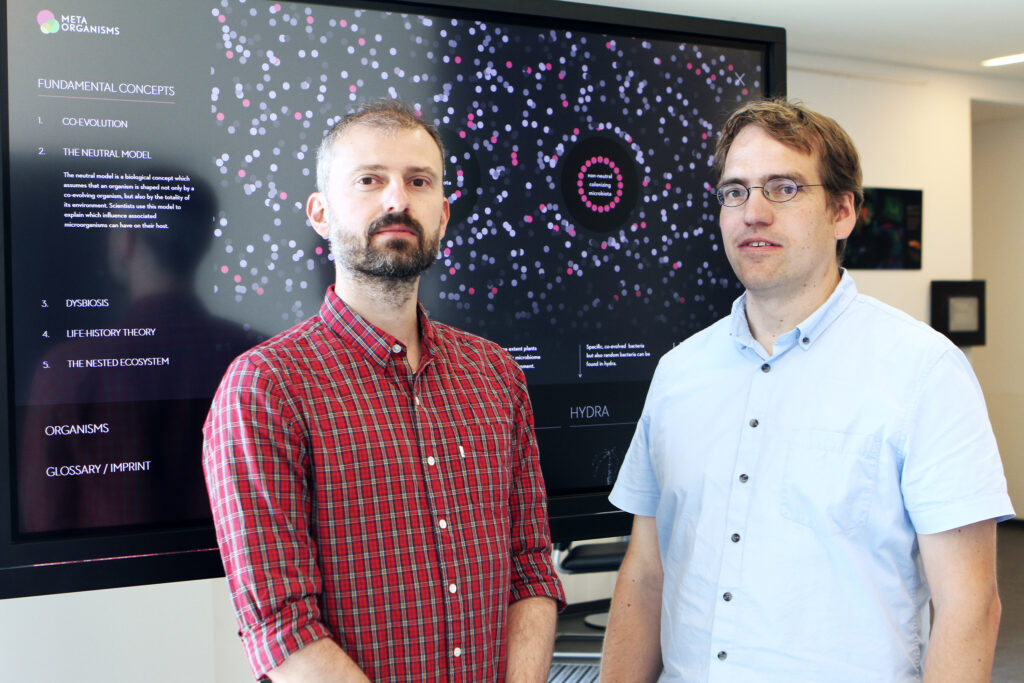
Caption: Prof. Mathilde Poyet and Prof. Mathieu Groussin from Kiel University (CAU) have published guidelines, in collaboration with colleagues, on how to deal with the Nagoya Protocol and the associated regulations.
© private/Mathieu Groussin/Fotostudio Renard
https://www.uni-kiel.de/de/pressemitteilungen/2026/078-poyet-groussin-sumbio-dishes.jpg
Caption: The diversity of microorganisms on Earth harbours a largely untapped genetic resource with great potential for advances in the fields of medicine, environmental sustainability, agriculture and industrial biotechnology.
© Leibniz Institute DSMZ
https://www.uni-kiel.de/de/pressemitteilungen/2026/078-poyet-groussin-sumbio-np.jpg
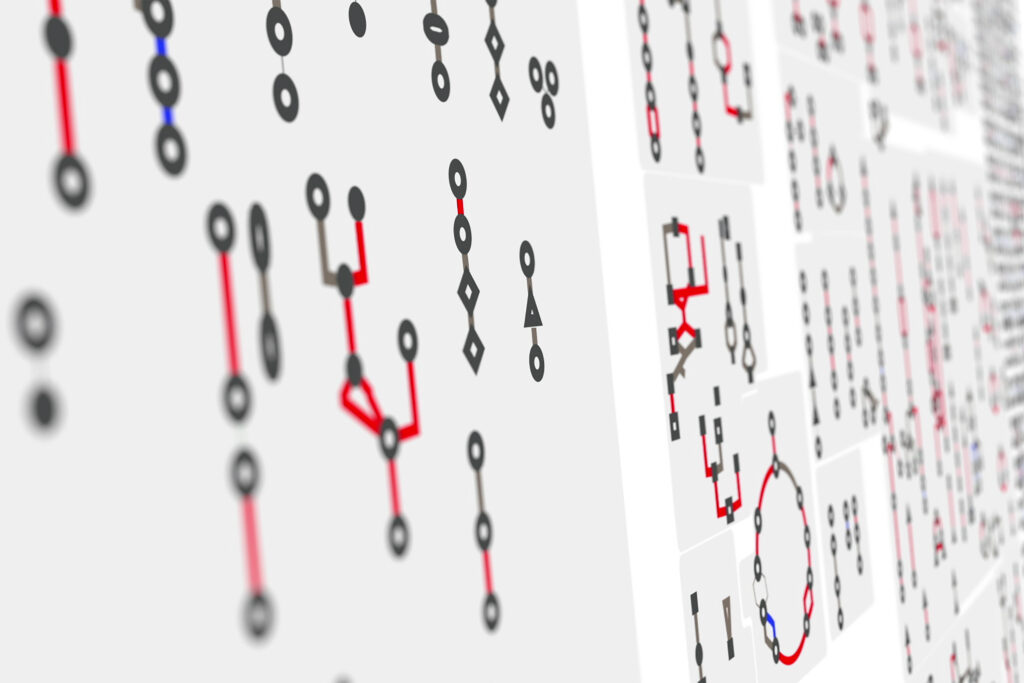
Caption: The Nagoya Protocol, ratified in 2014, is a legally binding international agreement that regulates access to genetic resources and aims to ensure the fair and equitable sharing of benefits.
© Davide Faggionato, Leibniz Institute DSMZ
https://www.uni-kiel.de/de/pressemitteilungen/2026/078-poyet-groussin-sumbio-conference.jpg
Caption: The recently published policy briefings on the Nagoya Protocol were produced as part of the EU-funded MICROBE consortium, in which Poyet and Groussin are involved.
© Mike Muzurakis, IISD/ENB
Contact:
Prof. Mathilde Poyet
Institute for Evolutionary Medicine
Medical Faculty, Kiel University
Tel.: +49 431-500 -15140
Email: m.poyet@iem.uni-kiel.de
Website: mmmicrobiomelab.org
Prof. Mathieu Groussin
Genomics and Functions of Host Microbiome Systems Group
Institute for Clinical Molecular Biology, UKSH/
Medical Faculty, Kiel University
Tel.: +49 431-500 -15198
E-Mail: m.groussin@ikmb.uni-kiel.de
Website: mmmicrobiomelab.org
More information:
Genomics and Functions of Host Microbiome Systems,
Institute for Clinical Molecular Biology, UKSH/ Kiel University:
www.ikmb.uni-kiel.de/research-group/genomics-and-functions-of-host-microbiome-systems
Gobal Microbiome Conservancy (GMbC):
microbiomeconservancy.org
Priority Research Area Kiel Life Science (KLS), Kiel University:
www.kls.uni-kiel.de
Cluster of Excellence „Precision Medicine in Chronic Inflammation“ (PMI):
www.precisionmedicine.de
MICROBE consortium (MICRObiome Biobanking (RI) Enabler), Horizon Europe:
cordis.europa.eu/project/id/101094353