
International Conference on Evolutionary Medicine: Innovative Ideas for Sustainable Medicine of the Future
The annual conference of the International Society for Evolutionary Medicine and Public Health (ISEMPH) on applications of evolutionary biology in medicine took place this week at Kiel University.
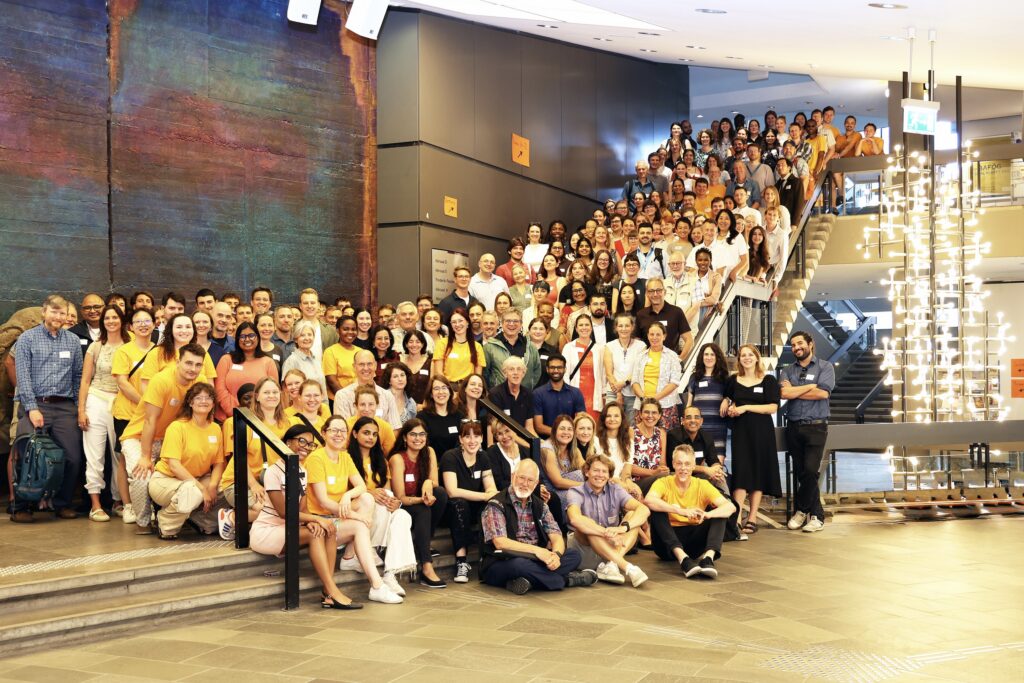
The annual conference of the International Society for Evolutionary Medicine and Public Health (ISEMPH) at Kiel University successfully concluded today. Since Tuesday, more than 200 scientists from around the world had been exchanging ideas on current developments and new findings in the field of evolutionary medicine.
Some of the key topics covered during the four-day conference included, for example, the evolution of resistance in bacterial pathogens, the predictability of tumor evolution, the dynamics of pathogens in the spread of infectious diseases, and the evolutionary interaction between multicellular organisms and microbes within a shared metaorganism. A team from the Kiel Evolution Center (KEC), part of the Kiel University’s priority research area Kiel Life Science (KLS) and led by Professor Hinrich Schulenburg and Professor John Baines, organized this year’s Kiel meeting in collaboration with ISEMPH.
Key insights for a better understanding of diseases and future therapies
The still-emerging scientific field of evolutionary medicine addresses the fundamental question of how evolutionary principles influence the development of diseases, potential treatment approaches, and public health. By applying modern evolutionary theory to human diseases, researchers hope to gain a better understanding of both disease patterns and the consequences of treatment, and to use this knowledge to develop new and sustainable therapeutic approaches.
Many diseases have an evolutionary origin. In addition, many treatment approaches exert direct selection, e.g. on the pathogens involved as well as on tumor tissue, thereby shaping the disease’s course over time. This evolutionary influence has generally received little attention in medicine to date, but needs to be gradually integrated into academic training and medical practice in the future. This could lead to significant advances, for example, in understanding the development of cancer, autoimmune diseases, or the emergence of treatment resistance.
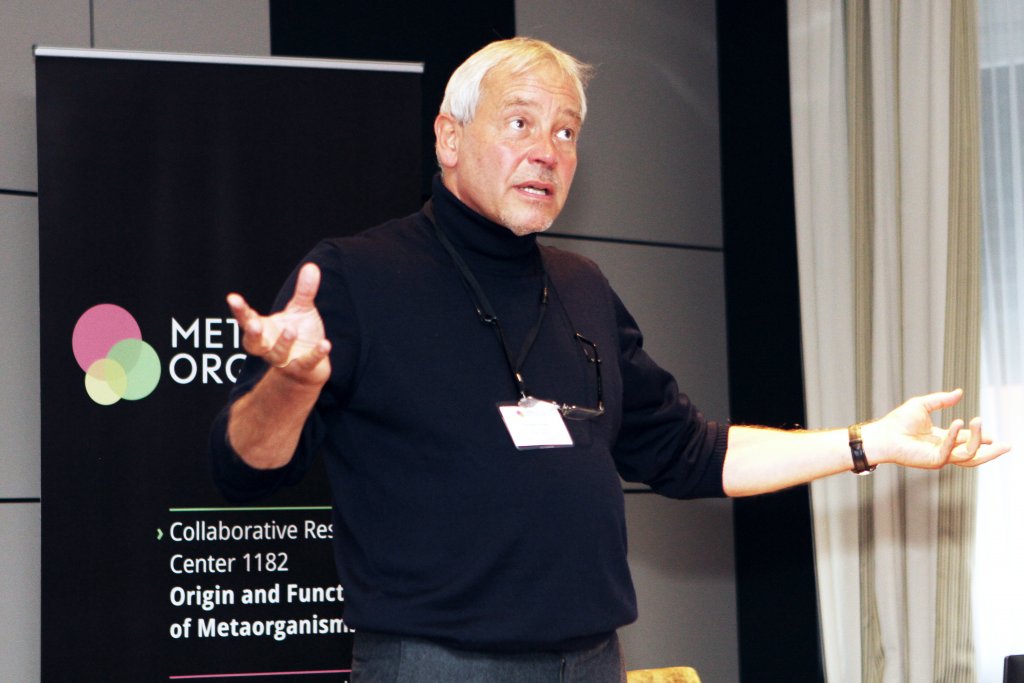
“Our international conference has made it clear just how crucial evolutionary principles are to a better understanding of human diseases – across a wide range of conditions, including autoimmune diseases, mental health disorders, infections, and cancer,” said Baines, co-organizer and head of the Section of Evolutionary Medicine at Kiel University’s Faculty of Medicine. “What is most exciting, is that this evolutionary biological perspective can lead to lasting improvements in the diagnosis of diseases as well as in treatment strategies. There is significant potential here that can be harnessed for the benefit of patients in the future,” summarized Schulenburg, an evolutionary biologist and co-organizer of the conference.